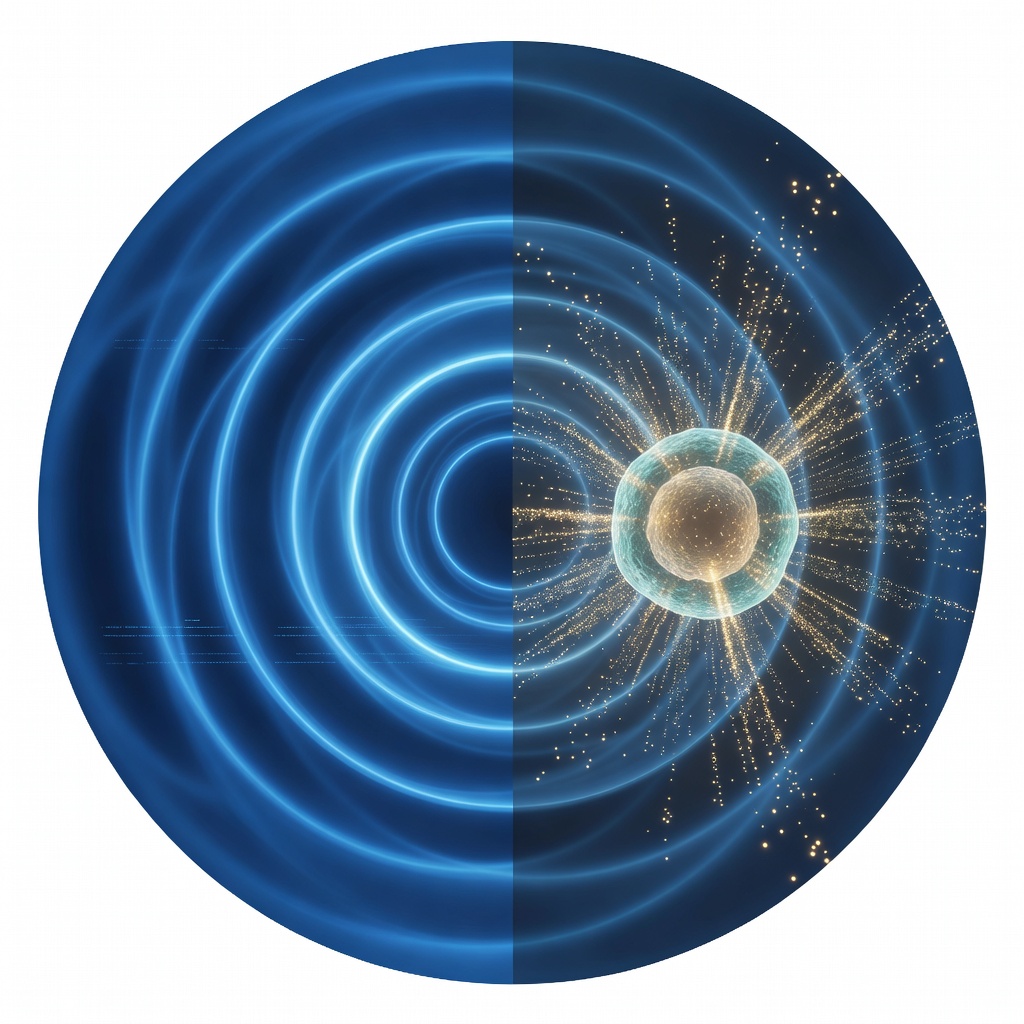
Tesla BioHealing vs. PEMF: What's the Difference?
If you’re exploring natural wellness devices, you’ve probably come across two technologies that get mentioned together: PEMF therapy (Pulsed Electromagnetic Field) and biophoton therapy. Both are non-invasive, both are drug-free, and both work at the cellular level. But they’re quite different in how they work, what they target, and what results users typically report.
What Is PEMF Therapy?
PEMF therapy uses pulses of electromagnetic energy to stimulate cells. It works similarly to how an MRI machine generates magnetic fields, but at a much lower frequency and intensity. PEMF devices typically use a mat, pad, or ring that you place on or around the body, and they deliver electromagnetic pulses that penetrate tissue and influence the electrical charge of cells.
PEMF has been studied for bone healing, discomfort reduction, and circulation support. It’s FDA-cleared for certain applications and has been used in clinical settings for decades.
What Is Biophoton Therapy?
Biophoton therapy works with the body’s own light-based communication system. Every living cell naturally emits ultra-weak light particles (biophotons) that carry information between cells. When this cellular signaling becomes disrupted — through aging, stress, or damage — cell function declines.
Biophoton devices like those made by Tesla BioHealing generate a coherent field of biophoton energy that cells can absorb and use to restore healthy signaling, boost mitochondrial function, and stimulate stem cell activity. No electricity enters the body. No pulses are delivered. The device simply creates a supportive energy environment.
Key Differences at a Glance
- Energy type: PEMF uses electromagnetic pulses; biophoton uses coherent light energy
- Delivery: PEMF requires direct contact or close proximity to the device; biophoton therapy works passively within a field of several feet
- Session time: PEMF sessions are typically 20–30 minutes; biophoton therapy works most effectively over 8+ hours (overnight)
- Mechanism: PEMF influences electrical charge and ion movement in cells; biophoton therapy supports cellular communication and mitochondrial energy production
- Primary research areas: PEMF — bone healing, discomfort, inflammation; biophoton therapy — stem cell activation, longevity, whole-body cellular regeneration
Can You Use Both?
Yes — many wellness practitioners use both modalities as complementary tools. PEMF can be useful for targeted, short-term applications like managing joint discomfort or accelerating fracture healing. Biophoton therapy is better suited as a long-term, whole-body regenerative practice.
Which Is Right for You?
If your goal is general longevity support, improved energy, better sleep, and whole-body cellular health over time, biophoton therapy is likely the better fit. If you have a specific acute injury or localized discomfort issue, PEMF may offer faster targeted relief.
Many users who have tried both report that biophoton therapy feels more foundational — addressing overall cellular vitality rather than any single symptom.
The Adult BioHealer is the most popular entry point for biophoton therapy — clinically studied, passive to use, and trusted by over 50,000 users worldwide.
Not sure what’s right for your specific situation? Take our free quiz for a personalized recommendation.
Ready to Experience Biophoton Healing?
Browse our full range of Tesla BioHealing devices — clinically studied and trusted by 50,000+ users worldwide.
